Seal the cracks before water does the damage.
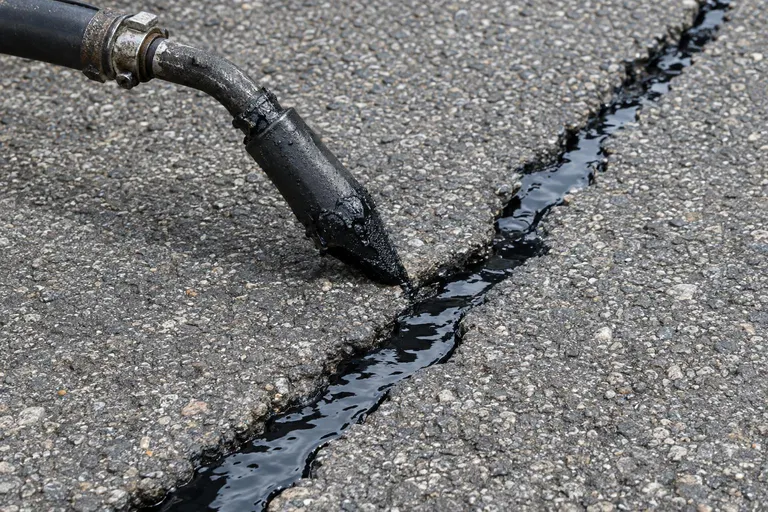
Cleaning and filling cracks in asphalt with hot-applied rubberized sealant, stopping water from reaching the base and slowing the spread of damage.
- Method: Clean, dry and fill with hot-applied sealant
- Best time: Spring and fall, in dry weather
- Pairs with: Sealcoating and striping
What it is, and why it matters.
Water is the enemy of pavement. Every open crack lets rain reach the base, where it softens the stone and soil and sets up potholes and alligator cracking. Crack sealing stops that by cleaning the crack, routing it where appropriate and filling it with hot-applied rubberized sealant that stays flexible as the pavement expands and contracts.
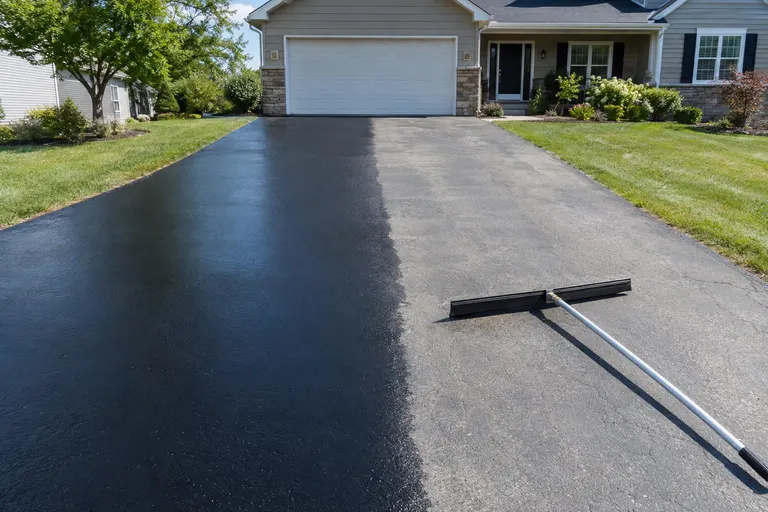
It is one of the highest-value maintenance steps for any driveway or lot. In the Nashville area, where pavement swings between hot summers and freezing winters, sealed cracks last far longer than unsealed ones. We typically seal cracks before sealcoating so the coating covers a healthy, protected surface, and we explain which cracks are too wide or structural for sealing alone.
Four things done right.
Stops water entry
Keeps the base dry and strong.
Flexible sealant
Moves with the pavement.
Low cost
A fraction of repair or replacement.
Extends pavement life
Slows crack growth and potholes.
From first visit to crack sealing.
- 01
Survey the cracks
We map and measure every crack.
- 02
Clean and prep
Debris blown out and cracks dried.
- 03
Fill with sealant
Hot rubberized sealant applied.
- 04
Finish
Sealant squeegeed and left to cure.
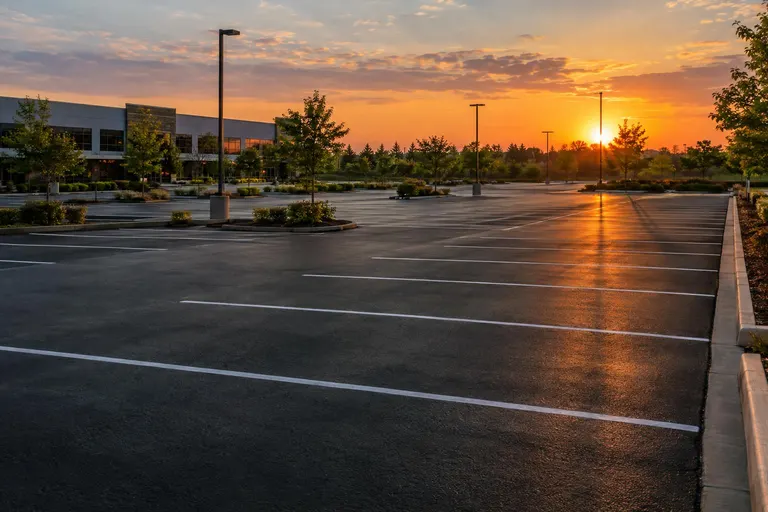
Crack Sealing across Tennessee.
We do this work in 56 cities, from downtown Nashville to Memphis, Knoxville, Chattanooga and the Tri-Cities.
Crack Sealing: common questions
When should cracks be sealed?
As soon as they appear and are wide enough to take sealant, typically in dry weather in spring or fall. Sealing early prevents the water damage that leads to bigger repairs.
Is crack sealing the same as sealcoating?
No. Crack sealing fills individual cracks with a flexible sealant. Sealcoating is a thin protective coating over the whole surface. The two work best together.
How do I get a price for crack sealing?
Fill in the form or call 615-209-7643. We schedule a free site visit, measure, check drainage and the existing pavement and send a written proposal that lists exactly what is included.
Ready to talk about crack sealing?
A free site visit and a written price. A real person calls back, usually the same day.